
2-Prompt Engineering Explained: How to Get the Best Results from Generative AI (ChatGPT, DALL·E)
Unlocking the Power of Prompt Engineering: A Beginner's Guide
In the world of artificial intelligence, particularly with generative AI tools like ChatGPT, DALL·E, and MidJourney, the concept of prompt engineering has emerged as a crucial skill for users aiming to maximize the effectiveness of these technologies. This blog post will provide a comprehensive overview of prompt engineering, its significance, and practical tips to help you achieve optimal results.
What is Prompt Engineering?
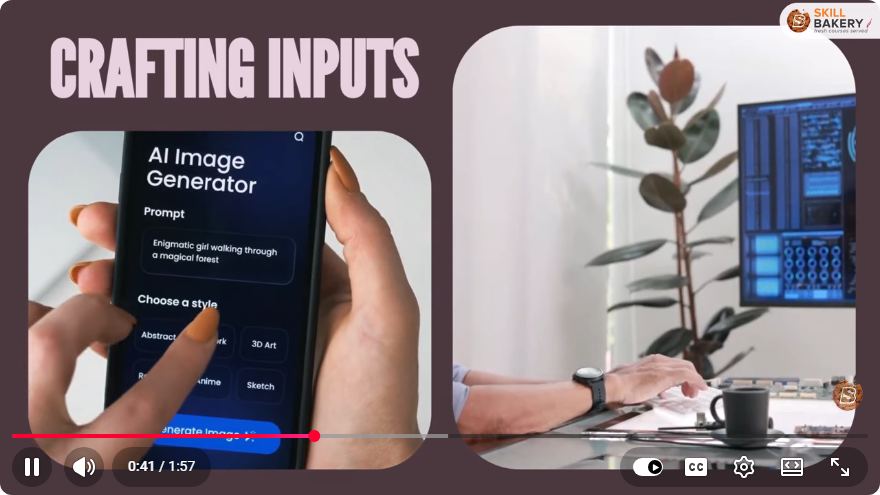
Prompt engineering is the art and science of crafting effective inputs (or prompts) that guide generative AI models to produce the desired outputs. It involves understanding how these models interpret language and structure queries in a way that enhances the relevance and quality of the generated content.
Why is Prompt Engineering Important?
Generative AI models, such as ChatGPT and DALL·E, are trained on vast datasets and can generate human-like text or images. However, the quality of their outputs heavily depends on how you interact with them. A well-structured prompt can lead to more accurate, creative, and contextually appropriate responses, while a poorly designed one can yield unsatisfactory results.
Understanding Generative AI Models
Before diving into prompt engineering, it's essential to familiarize yourself with different types of generative AI models:
- GPT (Generative Pre-trained Transformer): A language model designed to generate text based on input prompts.
- GPT-2 and GPT-3: Advanced versions of GPT, with larger datasets and improved capabilities for understanding and generating complex text.
- GPT-J and Jurassic: Open-source alternatives that offer similar functionalities to GPT-3.
- BERT (Bidirectional Encoder Representations from Transformers): Primarily used for understanding the context of words in search queries.
- Bard: A conversational AI model designed to engage users in a dialogue.
Practical Tips for Effective Prompt Engineering
To help you get started, here are some practical tips for crafting effective prompts for generative AI tools:
1. Be Specific
The more specific your prompt, the better the AI can understand your needs. For example, instead of asking, "Tell me about cats," you could ask, "What are the top three health benefits of owning a cat?"
Prompt: "List three health benefits of owning a cat."
2. Provide Context
Adding context can significantly enhance the quality of the response. If you want a creative story, specify the genre, characters, or themes.
Prompt: "Write a short horror story about a haunted library."
3. Use Open-Ended Questions
Open-ended questions encourage the AI to provide more detailed and expansive responses, as opposed to simple yes/no answers.
Prompt: "What are the implications of AI in modern education?"
4. Experiment and Iterate
Don’t hesitate to experiment with different prompts. If the initial response isn’t what you expected, tweak the wording or add more details to refine the output.
Initial Prompt: "Explain climate change."
Refined Prompt: "Explain climate change in simple terms for a 10-year-old."
5. Limit the Scope
If you need a concise response, specify the length or format you want. This can help the AI focus on delivering just the information you require.
Prompt: "Summarize the causes of climate change in three bullet points."
Conclusion
Prompt engineering is a powerful tool that can dramatically enhance your interactions with generative AI models. By crafting thoughtful, specific, and context-rich prompts, you can unlock the full potential of these technologies.
Whether you are using ChatGPT for writing assistance, DALL·E for image generation, or any other AI model, applying these prompt engineering techniques will help you achieve better, more relevant results. Start experimenting today, and watch as your creativity and productivity soar!
Connect with SkillBakery Studios
Explore more tutorials, tools, and resources:
Posted by SkillBakery Studios


 Hello, my name is Jack Sparrow. I'm a 50 year old self-employed Pirate from the Caribbean.
No comments:
Post a Comment