
30. Python Essentials: Introduction to the Main Function in Python
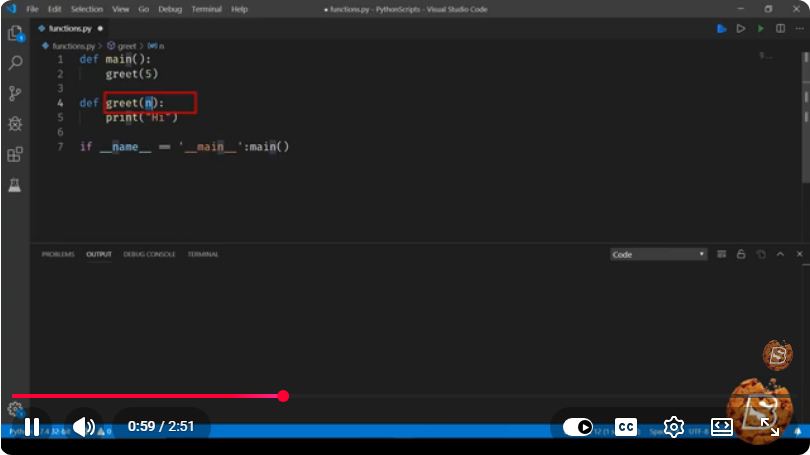
Python Essentials: Introduction to the Main Function
In the world of programming, the structure and organization of code can significantly affect readability, maintainability, and functionality. One essential component of Python programming is the main function. In this blog post, we will delve into what the main function is, why it is important, and how to effectively implement it in your Python scripts.
What is the Main Function?
In Python, the main function serves as the entry point of a program. It is where the execution of your code begins. While Python does not enforce the use of a main function like some other programming languages (such as C or Java), it is a good practice to define one. This helps in organizing code better and makes it easier to understand and maintain.
The Structure of the Main Function
In Python, the main function is typically defined as follows:
def main():
    # Your code here
    print("Hello, World!")
The if __name__ == "__main__" Construct
To ensure that the main function is called only when the script is executed directly (and not when imported as a module), we use the following construct:
if __name__ == "__main__":
    main()
This checks if the script is being run as the main program. If it is, then it calls the main() function.
Why Use the Main Function?
There are several compelling reasons to use the main function in your Python code:
Improved Readability: By encapsulating your program's logic within a main function, you provide a clear entry point that makes it easier for others (and yourself) to understand the overall structure of the code.
Preventing Code Execution on Import: When you use the
if __name__ == "__main__"construct, you ensure that certain code blocks are executed only when the script is run directly. This is particularly useful when your script contains test code or example usages that you do not want to execute when the script is imported as a module in another script.Modularity and Reusability: Defining a main function allows you to write modular code. You can easily import your script as a module in another script without worrying about executing the main logic unintentionally.
Example of a Complete Script
Here’s a complete example of a Python script using a main function:
def main():
    greeting = "Hello, World!"
    print(greeting)

if __name__ == "__main__":
    main()
How to Run the Script
To run the script, save it in a file named hello.py and execute it from the command line:
python hello.py
You should see the output:
Hello, World!
Conclusion
In summary, implementing a main function in your Python scripts is a best practice that enhances readability, prevents unintentional execution of code when importing modules, and encourages modular programming. By adopting this structure in your projects, you will improve both the maintainability and clarity of your code.
Next time you write a Python script, consider using a main function to keep things organized and efficient. Happy coding!
Connect with SkillBakery Studios
Explore more tutorials, tools, and resources:
Posted by SkillBakery Studios


 Hello, my name is Jack Sparrow. I'm a 50 year old self-employed Pirate from the Caribbean.
No comments:
Post a Comment