
Unleashing the Power of HTML 5: Comprehensive Guide to Understanding the Basic Page Structure
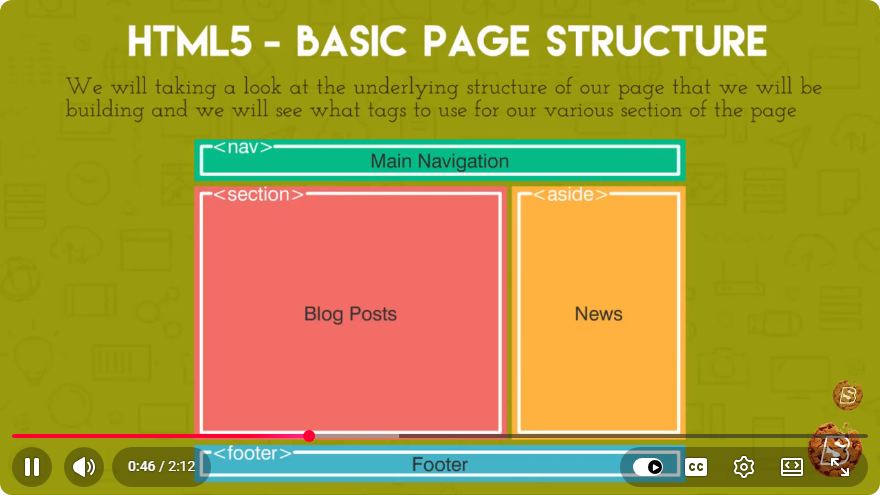
Unleashing the Power of HTML5: A Comprehensive Guide to Understanding the Basic Page Structure
HTML5 has revolutionized the way we build and structure web pages. It provides a more semantic and efficient framework for web development. In this blog post, we will delve into the basic structure of an HTML5 document and explore its various components. Whether you are a beginner or someone looking to refresh your knowledge, this guide will give you a solid foundation in HTML5.
What is HTML5?
HTML5 is the latest version of HyperText Markup Language (HTML), which is the standard language for creating web pages. It introduces new elements, attributes, and behaviors that enhance the capabilities of web applications, making them more interactive and engaging.
Basic Structure of an HTML5 Document
Every HTML5 document follows a specific structure. Below is a simple template that outlines the essential parts of an HTML5 page:
<!DOCTYPE html>
<html lang="en">
<head>
<meta charset="UTF-8">
<meta name="viewport" content="width=device-width, initial-scale=1.0">
<title>Your Page Title</title>
<link rel="stylesheet" href="styles.css">
</head>
<body>
<header>
<h1>Welcome to My Website</h1>
</header>
<main>
<section>
<h2>About</h2>
<p>This is a brief description of the website.</p>
</section>
<section>
<h2>Contact</h2>
<p>Contact details will go here.</p>
</section>
</main>
<footer>
<p>© 2023 Your Name</p>
</footer>
</body>
</html>
Breakdown of the Structure
DOCTYPE Declaration:
The first line
<!DOCTYPE html>informs the browser that this document is an HTML5 document. It helps the browser render the page correctly.HTML Element:
The
<html>tag encloses the entire document and includes thelangattribute to specify the language used in the document, which is important for accessibility and SEO.Head Section:
The
<head>tag contains metadata about the document, such as:<meta charset="UTF-8">: Specifies the character encoding for the document.<meta name="viewport" content="width=device-width, initial-scale=1.0">: Ensures that the page is responsive and adjusts correctly on different devices.<title>Your Page Title</title>: Sets the title of the web page that appears in the browser tab.<link rel="stylesheet" href="styles.css">: Links to an external CSS file for styling.
Body Section:
The
<body>tag contains the content of the document that will be visible to users. Inside the body, we have several structural elements:<header>: Typically contains introductory content or navigational links.<main>: Represents the main content of the document. It’s a good practice to have only one<main>element per page.<section>: Defines sections in the document. Each section can have its own heading.<footer>: Contains footer information, such as copyright notices or links.
Additional HTML5 Elements
HTML5 introduced several new semantic elements that help improve the structure of your web pages. Here are a few:
<article>: Represents a self-contained composition that can be independently distributed or reused.<aside>: Contains content that is tangentially related to the content around it, often used for sidebars.<nav>: Defines navigation links.<figure>and<figcaption>: Used for images and their captions.
Conclusion
Understanding the basic structure of an HTML5 document is crucial for anyone looking to dive into web development. This framework not only enhances the semantic meaning of your pages but also improves accessibility and search engine optimization.
By utilizing the elements and structure outlined in this guide, you can create cleaner, more organized, and more efficient web pages. As you expand your skills, remember that HTML5 is just the beginning. Combine it with CSS for styling and JavaScript for interactivity to truly unleash the power of modern web development.
For further learning, check out the video Unleashing the Power of HTML5 for a visual and practical approach to understanding HTML5!
Connect with SkillBakery Studios
Explore more tutorials, tools, and resources:
Posted by SkillBakery Studios


 Hello, my name is Jack Sparrow. I'm a 50 year old self-employed Pirate from the Caribbean.
No comments:
Post a Comment