
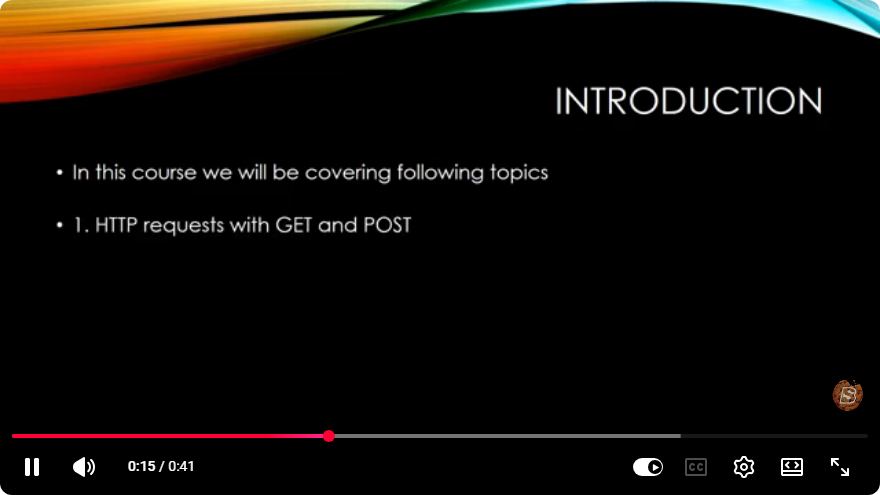
Web Development - PHP Advance : Introduction 42 seconds
Web Development with PHP: An Introduction to Advanced Concepts
In the realm of web development, PHP continues to be one of the most powerful and widely used server-side scripting languages. Whether you're building a personal blog, a complex web application, or an e-commerce site, understanding advanced PHP concepts can significantly enhance your projects. This blog post serves as an introduction to advanced PHP techniques, setting the stage for deeper exploration into the language's capabilities.
What is PHP?
PHP, which stands for "Hypertext Preprocessor," is an open-source server-side scripting language designed primarily for web development. It is embedded within HTML and is particularly well-suited for creating dynamic web pages. With its simplicity and flexibility, PHP has become a staple in the web development community.
Key Features of PHP
- Cross-Platform: PHP can run on various operating systems, including Windows, Linux, and macOS.
- Database Integration: PHP seamlessly integrates with databases like MySQL, PostgreSQL, and SQLite.
- Extensive Community Support: With a vast community of developers, PHP has a wealth of resources, libraries, and frameworks available.
- Object-Oriented Programming (OOP): PHP supports OOP, allowing developers to create reusable and maintainable code.
Why Learn Advanced PHP?
While mastering the basics of PHP is crucial, delving into advanced topics can elevate your development skills. Advanced PHP knowledge will:
- Improve Performance: Learn how to write optimized code and leverage caching mechanisms.
- Enhance Security: Understand best practices to safeguard your applications against common vulnerabilities.
- Utilize Frameworks: Gain insight into popular PHP frameworks like Laravel and Symfony, which can speed up development.
- Integrate APIs: Learn how to interact with third-party services and APIs efficiently.
Advanced PHP Concepts to Explore
1. Namespaces
Namespaces in PHP allow developers to group related classes, interfaces, and functions, helping to avoid name collisions. They are particularly useful in large applications or when using third-party libraries.
namespace MyProject\Utilities;

class Logger {
    public static function log($message) {
        echo "[LOG] " . $message;
    }
}
2. Traits
Traits are a mechanism for code reuse in single inheritance languages like PHP. They allow you to include methods from multiple sources into a single class.
trait Logger {
    public function log($message) {
        echo "[LOG] " . $message;
    }
}

class User {
    use Logger;

    public function createUser($name) {
        $this->log("User $name created.");
    }
}
3. Exception Handling
Robust applications need to handle errors gracefully. PHP’s exception handling mechanisms allow you to manage errors effectively.
try {
    // Code that may throw an exception
    throw new Exception("An error occurred.");
} catch (Exception $e) {
    echo "Caught exception: " . $e->getMessage();
}
4. Dependency Injection
Dependency Injection (DI) is a design pattern that helps manage dependencies in your application, promoting better testing and maintainability.
class Database {
    private $connection;

    public function __construct($connection) {
        $this->connection = $connection;
    }
}

class User {
    private $db;

    public function __construct(Database $db) {
        $this->db = $db;
    }
}
Conclusion
Learning advanced PHP concepts equips developers with the tools necessary to build robust, efficient, and scalable web applications. The topics covered in this post—namespaces, traits, exception handling, and dependency injection—are just a starting point.
As you continue your journey in PHP development, consider exploring popular frameworks, design patterns, and best practices to further enhance your skills. The world of PHP is vast, and mastering its advanced features can significantly impact your development career.
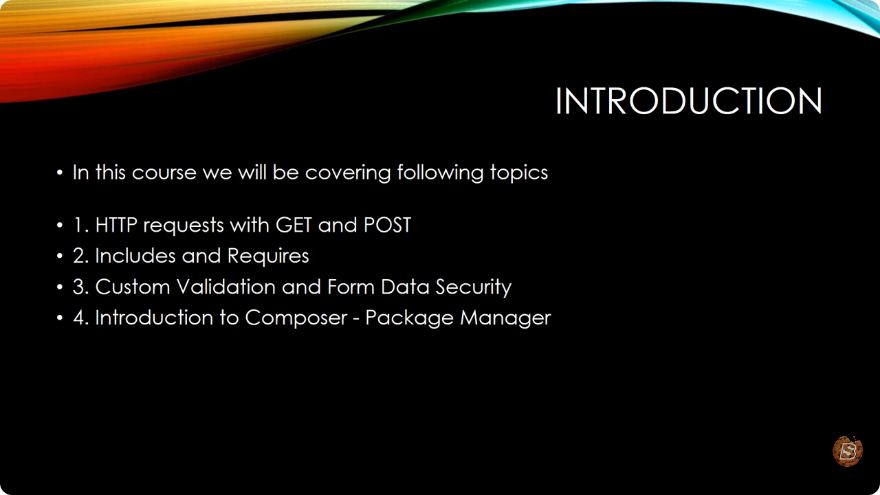
For a visual introduction, you can check out the YouTube video where these concepts are briefly covered. Happy coding!
Connect with SkillBakery Studios
Explore more tutorials, tools, and resources:
Posted by SkillBakery Studios


 Hello, my name is Jack Sparrow. I'm a 50 year old self-employed Pirate from the Caribbean.
No comments:
Post a Comment