
Web Development - Why we need HTML5
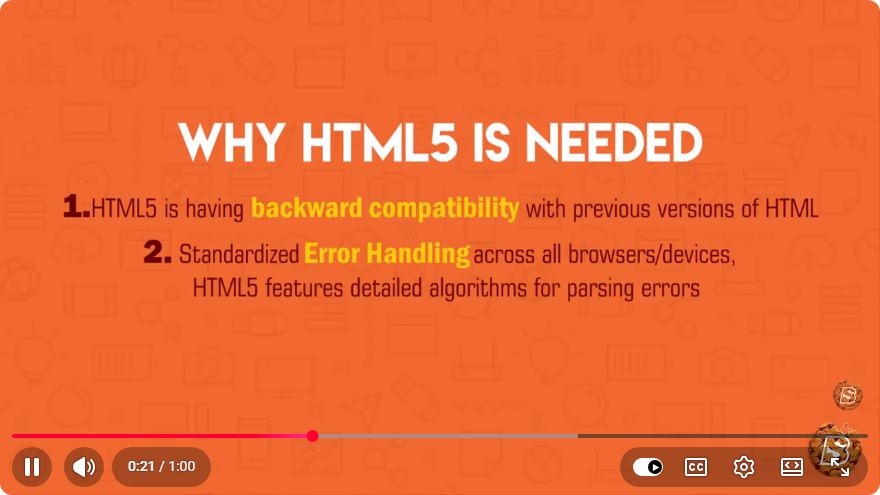
Web Development: Why We Need HTML5
In the fast-paced world of web development, staying updated with the latest technologies is crucial for creating modern, efficient, and user-friendly websites. One of the most significant advancements in web standards is HTML5. In this post, we'll explore why HTML5 is essential for web development today.
What is HTML5?
HTML5 is the fifth version of the Hypertext Markup Language (HTML), which is the standard language for creating web pages. It was finalized in October 2014 and has introduced numerous features and improvements over its predecessor, HTML4. These enhancements support multimedia, graphics, and interactive content while improving overall performance and usability.
Key Features of HTML5
1. Semantic Elements
HTML5 introduced new semantic elements that give meaning to the content within a web page. Examples include:
<header>: Defines the header for a document or section.<footer>: Represents the footer for a document or section.<article>: Specifies independent content that could be distributed and reused.<section>: Denotes a thematic grouping of content.
These elements improve the readability of HTML code, enhance SEO, and make it easier for developers to understand the structure of a webpage.
2. Multimedia Support
One of the most significant enhancements in HTML5 is its native support for multimedia. With the introduction of <audio> and <video> tags, developers can embed audio and video files directly into web pages without relying on third-party plugins like Flash.
<video controls>
  <source src="movie.mp4" type="video/mp4">
  <source src="movie.ogg" type="video/ogg">
  Your browser does not support the video tag.
</video>
This feature simplifies the process of adding multimedia content and provides a better user experience across devices.
3. Canvas Element
HTML5 introduces the <canvas> element, which allows for dynamic, scriptable rendering of 2D shapes and bitmap images. This feature is particularly useful for creating graphics, games, and interactive applications directly in the browser.
<canvas id="myCanvas" width="200" height="100" style="border:1px solid #000000;"></canvas>
<script>
  var canvas = document.getElementById("myCanvas");
  var ctx = canvas.getContext("2d");
  ctx.fillStyle = "#FF0000";
  ctx.fillRect(0, 0, 150, 75);
</script>
4. Improved Form Controls
HTML5 offers new input types and attributes that enhance form functionality and user experience. Some of these include:
date,time,email, andurl: New input types for better data validation and user-friendly interfaces.- Placeholder attributes: Provide hints within input fields, improving usability.
- Required attribute: Ensures that certain fields must be filled out before submission.
<form>
  <label for="email">Email:</label>
  <input type="email" id="email" name="email" required>
  <input type="submit" value="Submit">
</form>
5. Local Storage
HTML5 includes a new feature called Web Storage, allowing developers to store data in a user's browser. This feature is divided into two parts: local storage and session storage.
- Local Storage: Data persists even after the browser is closed.
- Session Storage: Data is only available during the page session.
This capability is essential for creating web applications that require state management without relying on server-side sessions.
// Storing data
localStorage.setItem("username", "JohnDoe");

// Retrieving data
let user = localStorage.getItem("username");
console.log(user); // Outputs: JohnDoe
Conclusion
HTML5 is not just an upgrade; it is a fundamental shift in how web developers approach building websites and applications. Its rich features—such as semantic elements, multimedia support, canvas capabilities, improved form controls, and local storage—empower developers to create more interactive, engaging, and user-friendly web experiences.
As web standards continue to evolve, understanding and implementing HTML5 is more important than ever for developers looking to stay competitive in the industry. Embracing HTML5 will not only enhance your web development skills but also allow you to create modern applications that meet user expectations and leverage the full potential of the web.
Stay tuned for more tutorials and insights on web development technologies!
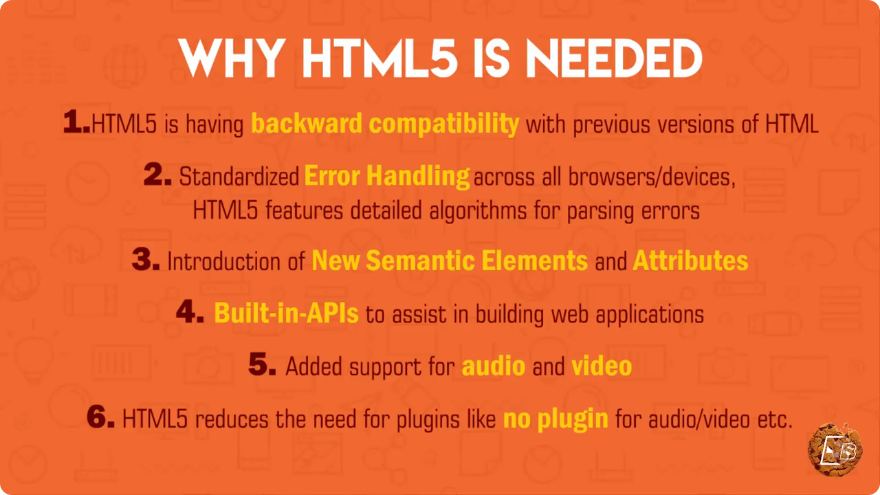
Connect with SkillBakery Studios
Explore more tutorials, tools, and resources:
Posted by SkillBakery Studios


 Hello, my name is Jack Sparrow. I'm a 50 year old self-employed Pirate from the Caribbean.
No comments:
Post a Comment