
15. Python Essentials: Numeric Types Unveiled: Understanding Integers, Floats, and Decimals
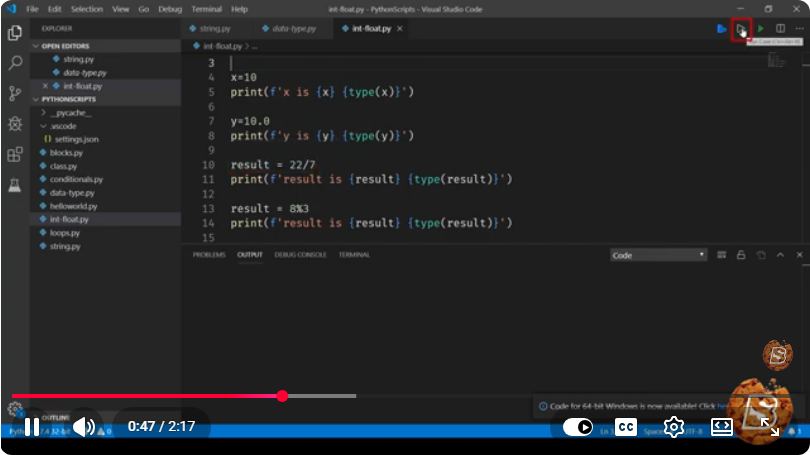
Python Essentials: Numeric Types Unveiled
In the world of programming, understanding data types is crucial for effective coding. In Python, numeric types play a foundational role in how we handle numbers in our programs. This blog post will explore the three primary numeric types in Python: Integers, Floats, and Decimals. Let’s dive in!
What are Numeric Types in Python?
Numeric types in Python are used to represent numbers. Python provides three built-in numeric types:
- Integers (
int) - Floating Point Numbers (
float) - Decimal Numbers (
decimal.Decimal)
Each type has its unique characteristics, advantages, and use cases.
1. Integers
Integers in Python are whole numbers, meaning they have no fractional component. They can be positive, negative, or zero. Python's int type can handle very large numbers, limited only by the memory available on your machine.
Creating Integers
You can create an integer simply by assigning a whole number to a variable:
# Creating an integer
my_integer = 42
print(my_integer)  # Output: 42
Operations with Integers
You can perform various arithmetic operations with integers, including addition, subtraction, multiplication, and division.
a = 10
b = 3

# Addition
sum_result = a + b
print("Sum:", sum_result)  # Output: 13

# Division
div_result = a / b
print("Division:", div_result)  # Output: 3.3333...
2. Floats
Floats (floating-point numbers) are numbers that have a decimal point. They can represent a wider range of values compared to integers, including very small and very large numbers.
Creating Floats
You create a float by including a decimal point in your number:
# Creating a float
my_float = 3.14
print(my_float)  # Output: 3.14
Operations with Floats
Just like integers, you can perform arithmetic operations with floats:
x = 5.0
y = 2.0

# Multiplication
product_result = x * y
print("Product:", product_result)  # Output: 10.0

# Subtraction
sub_result = x - y
print("Subtraction:", sub_result)  # Output: 3.0
3. Decimals
The Decimal type from the decimal module in Python provides a way to handle decimal numbers with high precision. This is particularly useful in financial applications where rounding errors can lead to significant issues.
Creating Decimals
To use the Decimal type, you need to import it from the decimal module:
from decimal import Decimal

# Creating a Decimal
my_decimal = Decimal('0.1') + Decimal('0.2')
print("Decimal sum:", my_decimal)  # Output: 0.3
Benefits of Using Decimals
Using Decimal allows you to avoid the floating-point inaccuracies that can occur with standard float operations. This is crucial for applications requiring precise decimal representation, such as currency calculations.
Conclusion
Understanding the differences between integers, floats, and decimals is essential for effective programming in Python. Each numeric type serves specific purposes and helps you choose the right one based on your needs.
- Integers are ideal for whole numbers.
- Floats are great for representing real numbers with decimals.
- Decimals offer high precision for financial applications.
By mastering these numeric types, you can enhance your coding skills and build more reliable and accurate applications in Python. Happy coding!
Connect with SkillBakery Studios
Explore more tutorials, tools, and resources:
Posted by SkillBakery Studios


 Hello, my name is Jack Sparrow. I'm a 50 year old self-employed Pirate from the Caribbean.
No comments:
Post a Comment