
43. Python Essentials: Python Classes Demystified: An Introduction to Object-Oriented Programming
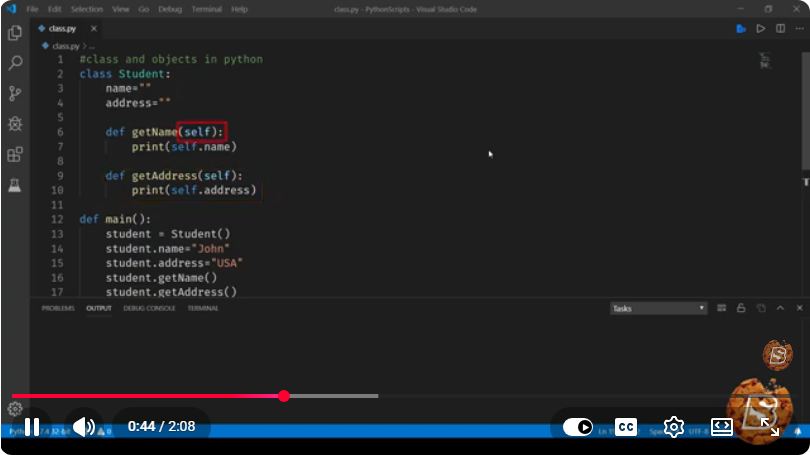
Demystifying Python Classes: An Introduction to Object-Oriented Programming
In the world of programming, understanding Object-Oriented Programming (OOP) is crucial, and Python makes it easy to grasp these concepts thanks to its straightforward syntax. This blog post will delve into Python classes and OOP principles, making them accessible and comprehensible for beginners.
What is Object-Oriented Programming?
Object-Oriented Programming is a programming paradigm that uses "objects" to represent data and methods to manipulate that data. It focuses on encapsulating data and behavior together, which promotes code reusability and scalability. The four main principles of OOP include:
- Encapsulation: Bundling data and methods that work on that data within a single unit (class).
- Abstraction: Hiding complex implementation details and showing only the essential features of the object.
- Inheritance: Creating new classes from existing ones, allowing for code reuse and hierarchical classification.
- Polymorphism: Allowing methods to do different things based on the object it is acting upon.
Getting Started with Python Classes
In Python, a class is defined using the class keyword. Here's a simple example to illustrate how to create a class:
class Dog:
    def __init__(self, name, age):
        self.name = name
        self.age = age

    def bark(self):
        return f"{self.name} says Woof!"

# Creating an instance of the Dog class
my_dog = Dog("Buddy", 3)

# Accessing attributes and methods
print(my_dog.name)  # Output: Buddy
print(my_dog.bark())  # Output: Buddy says Woof!
Understanding the Example
- Defining a Class: The
Dogclass is defined with theclasskeyword. - Constructor Method (
__init__): This special method initializes the object's attributes.selfrefers to the instance of the class itself. - Defining Methods: The
barkmethod allows the dog to "speak". - Creating an Instance:
my_dogis an instance (or object) of theDogclass. - Accessing Attributes and Methods: You can access the object's attributes (like
name) and call its methods (likebark).
Key Concepts in Python OOP
Encapsulation
Encapsulation in Python is achieved through the use of attributes and methods. By using methods, you can control access to the object's attributes. For instance:
class Dog:
    def __init__(self, name, age):
        self.name = name
        self.age = age

    def get_age(self):
        return self.age

    def set_age(self, age):
        if age > 0:
            self.age = age
        else:
            print("Please enter a valid age.")

my_dog = Dog("Buddy", 3)
print(my_dog.get_age())  # Output: 3
my_dog.set_age(5)
print(my_dog.get_age())  # Output: 5
Inheritance
Inheritance allows one class to inherit the properties and methods of another class. This promotes code reuse. Here’s how it works:
class Animal:
    def speak(self):
        return "Animal speaks"

class Dog(Animal):
    def bark(self):
        return "Woof!"

my_dog = Dog()
print(my_dog.speak())  # Output: Animal speaks
print(my_dog.bark())   # Output: Woof!
Polymorphism
Polymorphism allows methods to be defined in different ways for different objects. For example, you can have different classes with a method of the same name:
class Cat:
    def speak(self):
        return "Meow!"

class Dog:
    def speak(self):
        return "Woof!"

def animal_sound(animal):
    print(animal.speak())

my_cat = Cat()
my_dog = Dog()

animal_sound(my_cat)  # Output: Meow!
animal_sound(my_dog)  # Output: Woof!
Conclusion
Understanding Python classes and the principles of Object-Oriented Programming is essential for developing robust and maintainable code. As you continue your programming journey, keep practicing these concepts by creating your own classes and exploring their capabilities. The power of OOP lies in its ability to model real-world scenarios, making your code more intuitive and easier to work with. Happy coding!
Connect with SkillBakery Studios
Explore more tutorials, tools, and resources:
Posted by SkillBakery Studios


 Hello, my name is Jack Sparrow. I'm a 50 year old self-employed Pirate from the Caribbean.
No comments:
Post a Comment