
Master MEAN : Benefits of MEAN - Web Development
Mastering MEAN: Exploring the Benefits of the MEAN Stack for Web Development
The MEAN stack has become a popular choice among developers for building dynamic web applications. Comprising MongoDB, Express.js, Angular, and Node.js, the MEAN stack offers a comprehensive framework for developing modern web applications efficiently. In this blog post, we will explore the key benefits of using the MEAN stack and why it may be the right choice for your next web development project.
What is the MEAN Stack?
Before diving into its benefits, let’s briefly define the components of the MEAN stack:
- MongoDB: A NoSQL database that stores data in JSON-like documents, allowing for flexible data structures.
- Express.js: A web application framework for Node.js, facilitating the creation of robust APIs and web applications.
- Angular: A front-end web framework developed by Google, used for building single-page applications (SPAs).
- Node.js: A JavaScript runtime built on Chrome's V8 engine, allowing developers to execute JavaScript server-side.
Key Benefits of the MEAN Stack
1. Full-Stack JavaScript
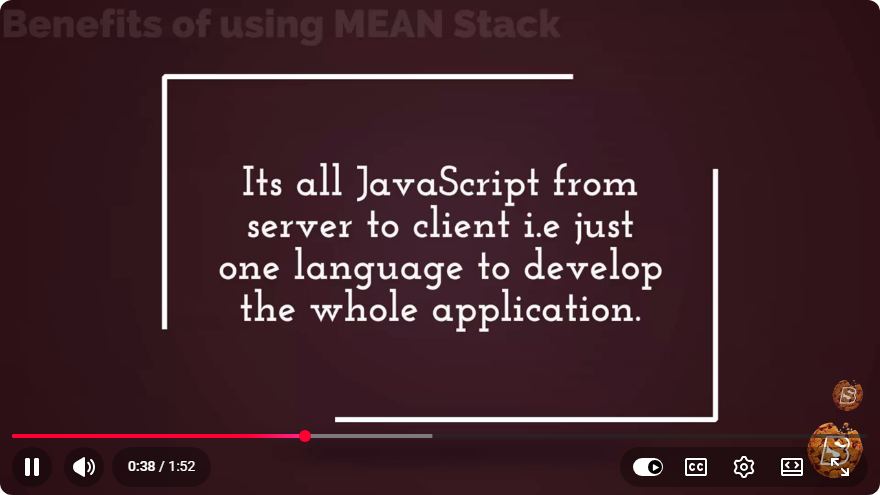
One of the most significant advantages of the MEAN stack is that it allows developers to use JavaScript throughout the entire development process. This means that both the client-side and server-side code can be written in the same language, streamlining the development workflow and reducing the learning curve for developers.
2. Rapid Development
The MEAN stack promotes rapid application development. With tools like Express.js and Angular, developers can quickly set up server-side APIs and create interactive user interfaces. The use of JSON for data exchange also speeds up communication between the client and server, allowing for faster iterations and deployment.
3. Scalability
Thanks to MongoDB’s NoSQL nature, applications built with the MEAN stack can easily scale horizontally. As your application grows, you can add more servers to distribute the load without worrying about database schema changes, making it ideal for applications expecting high traffic.
4. Community Support
Each component of the MEAN stack has a vibrant community and extensive documentation. This support is invaluable for developers facing challenges or looking to implement best practices. The open-source nature of these technologies also means you can find a wealth of resources, tutorials, and libraries to enhance your development process.
5. Flexibility and Performance
The MEAN stack offers great flexibility in terms of deployment and architecture. Developers can choose to deploy their applications in various environments, whether it’s on-premises or cloud-based. Additionally, Node.js’s non-blocking I/O model allows for high performance and efficient handling of multiple connections simultaneously.
6. Single Page Application (SPA) Development
Angular, as a part of the MEAN stack, is particularly geared towards building SPAs. SPAs provide a smoother user experience by loading content dynamically without refreshing the entire page. This results in faster interactions and a more fluid user experience, which is essential for modern web applications.
Conclusion
The MEAN stack presents a powerful set of tools for web developers looking to build modern, scalable, and efficient web applications. Its unified JavaScript environment enables rapid development, while its robust architecture offers flexibility and performance. Whether you are a seasoned developer or just starting, mastering the MEAN stack can significantly enhance your web development skills and open new avenues for project opportunities.
If you're interested in diving deeper into the MEAN stack, consider exploring each component in detail, practicing with sample projects, or contributing to open-source MEAN applications. The journey to mastering MEAN is both exciting and rewarding, leading to more innovative and efficient web solutions.
Connect with SkillBakery Studios
Explore more tutorials, tools, and resources:
Posted by SkillBakery Studios


 Hello, my name is Jack Sparrow. I'm a 50 year old self-employed Pirate from the Caribbean.
No comments:
Post a Comment