
MongoDB : Introduction to noSQL
Introduction to NoSQL: Understanding MongoDB in 2 Minutes
In today’s data-driven world, the need for flexible, scalable, and efficient database solutions has never been more crucial. Traditional relational databases have their strengths, but they often fall short in handling the variety and volume of modern data. This has paved the way for NoSQL databases, with MongoDB standing out as one of the most popular choices. In this blog post, we'll explore the core concepts of MongoDB and NoSQL databases while summarizing key points that you can digest in a brief yet informative manner.
What is NoSQL?
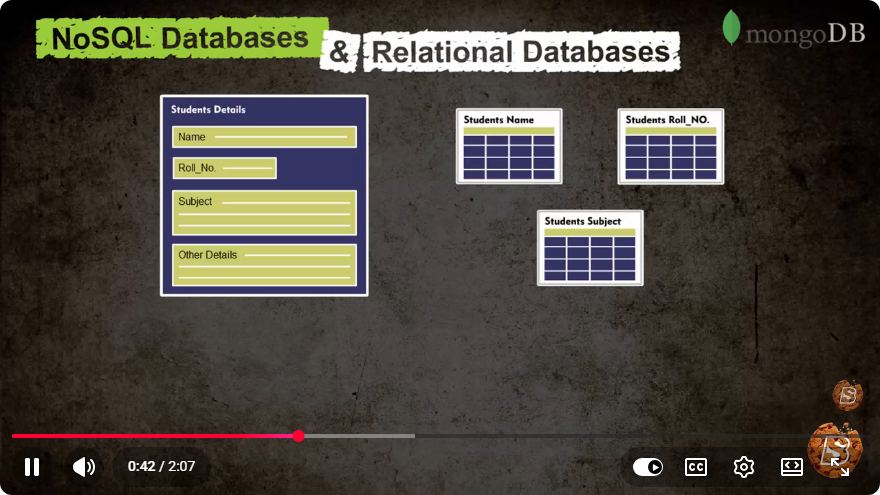
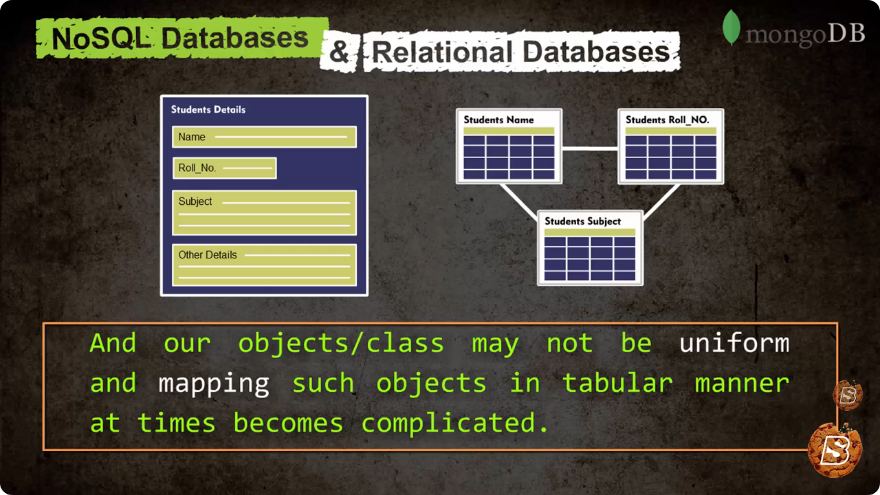
NoSQL, which stands for "Not Only SQL," refers to a broad category of database management systems that differ from traditional relational databases. These systems are designed to handle large volumes of unstructured and semi-structured data while providing flexibility in data modeling and storage.
Key Characteristics of NoSQL Databases
Schema-less Design: NoSQL databases often allow for dynamic schemas, meaning you can store data without a pre-defined structure. This is ideal for applications where the data model evolves over time.
Horizontal Scalability: Unlike traditional databases that rely on vertical scaling (adding more power to a single server), NoSQL databases can scale out across many servers, making them suitable for handling massive datasets.
High Performance: NoSQL databases are optimized for high-speed read and write operations, making them ideal for applications requiring real-time data processing.
Variety of Data Models: NoSQL encompasses various database types, including document stores, key-value stores, column-family stores, and graph databases.
What is MongoDB?
MongoDB is a popular NoSQL database that is document-oriented. It stores data in JSON-like BSON (Binary JSON) format, which allows for a rich data structure and dynamic schema. This flexibility makes MongoDB an excellent choice for applications that require rapid development and iteration.
Key Features of MongoDB
Document Storage: MongoDB stores data in documents, which are organized into collections. This document-based approach allows for complex data types and nested structures.
Indexing: MongoDB supports various indexing options, including single-field, compound, and geospatial indexes, to enhance query performance.
Aggregation Framework: MongoDB offers powerful aggregation capabilities, letting you perform complex data manipulations and transformations directly within the database.
Replication and Sharding: MongoDB provides built-in replication for high availability and sharding for horizontal scaling, ensuring your data is both accessible and scalable.
When to Use MongoDB
MongoDB is particularly suited for:
Real-Time Analytics: Applications that require real-time data analysis benefit from MongoDB’s fast performance and flexible schema.
Content Management: With its ability to store rich, nested data structures, MongoDB is ideal for content-heavy applications like blogs, news sites, and ecommerce platforms.
Internet of Things (IoT): MongoDB can efficiently handle the massive influx of data generated by IoT devices, making it a great choice for IoT applications.
Conclusion
MongoDB represents a powerful solution in the realm of NoSQL databases, providing developers with the tools they need to build efficient, scalable applications. Its flexible schema, high performance, and rich data handling capabilities make it a compelling choice for modern data challenges. Whether you’re building a new application from scratch or looking to migrate from a traditional relational database, understanding MongoDB and its place within the NoSQL ecosystem is essential.
If you want to learn more about MongoDB and its capabilities, consider diving deeper into its official documentation or exploring additional tutorials and resources. Happy coding!
Connect with SkillBakery Studios
Explore more tutorials, tools, and resources:
Posted by SkillBakery Studios


 Hello, my name is Jack Sparrow. I'm a 50 year old self-employed Pirate from the Caribbean.
No comments:
Post a Comment