
4. Architecting Scalable and Resilient Cloud Solutions: Azure Project Architecture
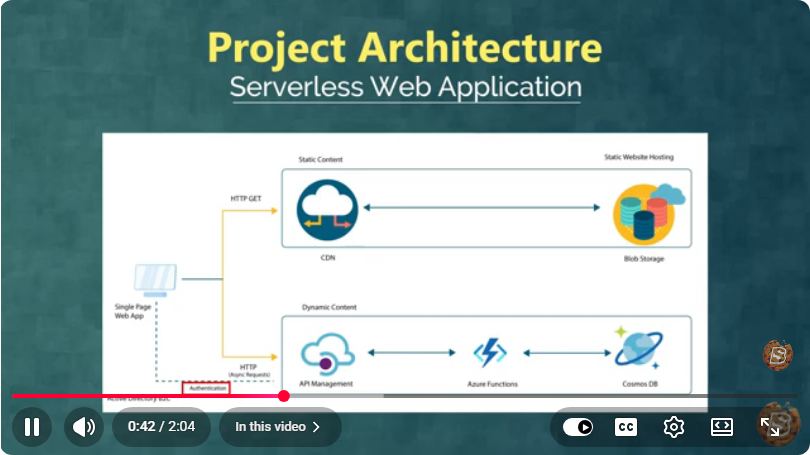
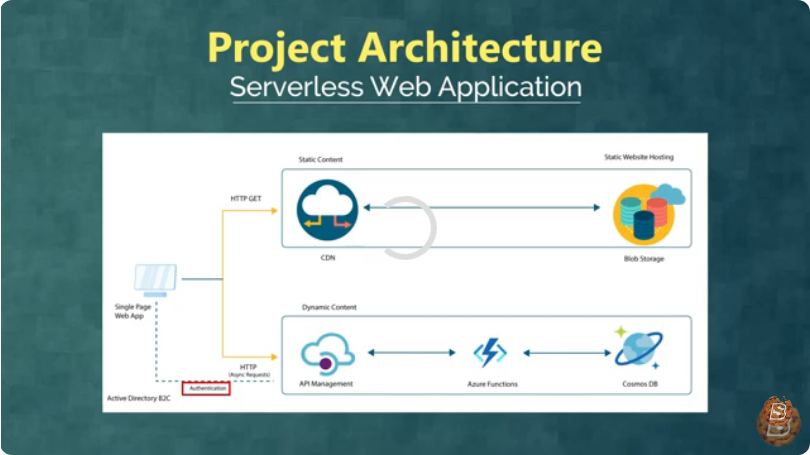
Architecting Scalable and Resilient Cloud Solutions: A Guide to Azure Project Architecture
In today's digital landscape, designing and implementing scalable and resilient cloud solutions is crucial for businesses seeking to enhance their operational efficiency and user experience. Microsoft Azure offers a robust set of tools and services that can help you achieve this goal. In this blog post, we will explore key principles and strategies for architecting scalable and resilient cloud solutions on Azure.
Understanding Scalability and Resilience
What is Scalability?
Scalability refers to the capability of a system to handle an increasing amount of work or its potential to accommodate growth. In the context of cloud solutions, scalability can be categorized into two types:
- Vertical Scalability: Also known as "scaling up," this involves adding more resources (CPU, RAM, etc.) to an existing server.
- Horizontal Scalability: Also known as "scaling out," this involves adding more machines to a pool of resources to handle increased load.
What is Resilience?
Resilience in cloud architecture refers to the ability of a system to recover from failures and continue operating. A resilient system can handle unexpected events and maintain availability, thereby ensuring a seamless experience for users.
Core Principles of Cloud Architecture
1. Design for Scalability
To achieve scalability in Azure, consider the following strategies:
Use Azure Load Balancer: Distribute incoming traffic across multiple servers to ensure no single server becomes a bottleneck.
{
  "frontendIpConfigurations": {
    "name": "loadBalancerFrontend",
    "publicIpAddress": {
      "id": "/subscriptions/{subscription-id}/resourceGroups/{resource-group-name}/providers/Microsoft.Network/publicIPAddresses/{public-ip-name}"
    }
  }
}
Implement Auto-Scaling: Use Azure Auto Scale to automatically adjust resources based on demand. This ensures that you are only using the resources you need while maintaining performance.
2. Ensure Resilience
To build resilience into your cloud architecture, consider the following practices:
Geographic Redundancy: Deploy your applications across multiple Azure regions or availability zones. This protects against regional outages and ensures high availability.
Use Azure Traffic Manager: This service allows you to route traffic to the closest or most available service endpoint, enhancing both performance and reliability.
3. Leverage Managed Services
Utilizing Azure-managed services can greatly simplify your architecture and enhance scalability and resilience. Consider the following:
Azure App Services: A fully managed platform for building, deploying, and scaling web apps. It automatically handles load balancing, patching, and scaling.
Azure SQL Database: A managed database service that provides built-in high availability and automatic backups.
4. Implement Monitoring and Logging
Monitoring and logging are essential for maintaining scalability and resilience. Use Azure Monitor and Azure Log Analytics to track performance metrics, detect anomalies, and gain insights into your applications.
{
  "logs": {
    "level": "Information",
    "message": "Application started successfully."
  }
}
Best Practices for Azure Project Architecture
1. Adopt Microservices Architecture
By breaking down applications into smaller, independent services, you can achieve better scalability and resilience. Each microservice can scale independently, allowing for more efficient resource utilization.
2. Use Containers and Orchestration
Containers, particularly with Azure Kubernetes Service (AKS), provide a portable and consistent environment for your applications. They can be easily scaled and orchestrated, ensuring your applications remain resilient under varying loads.
3. Implement CI/CD Pipelines
Continuous Integration and Continuous Deployment (CI/CD) pipelines enable faster and more reliable code deployments. Utilizing Azure DevOps can help automate testing and deployment processes, ensuring that updates do not disrupt service availability.
Conclusion
Architecting scalable and resilient cloud solutions requires a deep understanding of both the underlying technology and the principles of cloud architecture. By leveraging Azure's powerful tools and services, you can design systems that not only meet the demands of today but also adapt to the challenges of tomorrow. Whether you are building new applications or modernizing existing ones, keeping scalability and resilience at the forefront will help you deliver exceptional user experiences and maintain operational efficiency.
For more insights and practical tips, consider exploring Azure's documentation and the latest cloud architecture best practices. Happy architecting!
Connect with SkillBakery Studios
Explore more tutorials, tools, and resources:
Posted by SkillBakery Studios


 Hello, my name is Jack Sparrow. I'm a 50 year old self-employed Pirate from the Caribbean.
No comments:
Post a Comment