
Lecture-1: Open vs Closed AI Models Explained | Which LLM Should You Choose in 2026?
Open vs Closed AI Models Explained: Choosing the Right LLM for Your Projects in 2026
As artificial intelligence continues to evolve, the choice between open-source and closed-source AI models becomes increasingly relevant. In this post, we’ll delve into the fundamental differences between these two approaches, examine their strengths and weaknesses, and guide you on selecting the right model for your AI projects in 2026.
What Are Open Source AI Models?
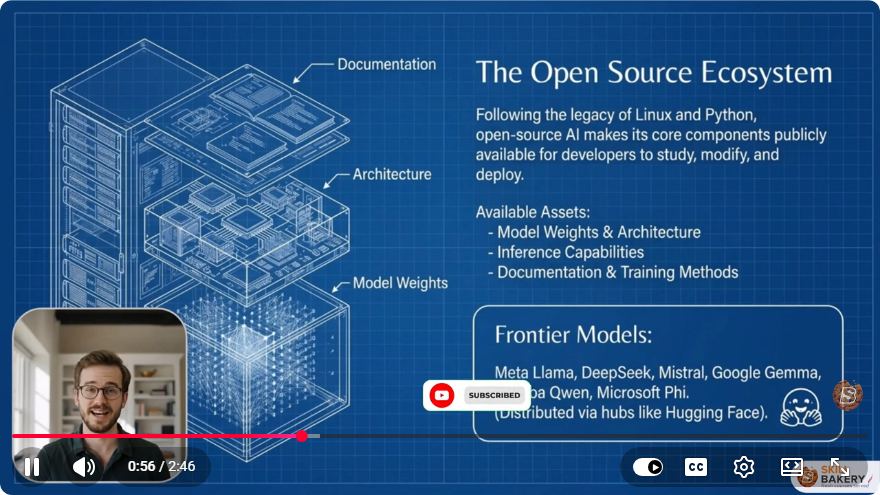
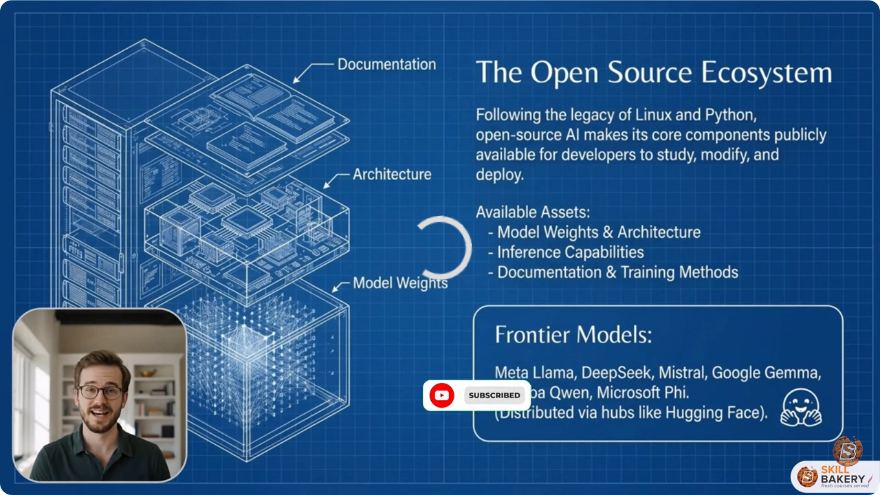
Open-source AI models are those that are made available to the public, allowing anyone to access, modify, and distribute the underlying code. This promotes transparency and collaboration within the AI community. Popular open-source models include:
- GPT-Neo: An alternative to OpenAI's models developed by EleutherAI.
- BERT: A model by Google designed for understanding the context of words in search queries.
Advantages of Open Source AI Models
- Transparency: Users can scrutinize the code, ensuring that there are no hidden biases or unethical practices.
- Customizability: Developers can modify the models to fit specific use cases or improve performance.
- Community Support: A vibrant community can contribute to the development, leading to rapid improvements and a wealth of resources.
- Cost-Effective: As these models are free to use, they can significantly reduce the financial barrier to entry for startups and researchers.
Disadvantages of Open Source AI Models
- Maintenance: Users are often responsible for maintaining and updating the model, which can be resource-intensive.
- Implementation Complexity: For those without strong technical skills, deploying and fine-tuning open-source models may pose challenges.
- Lack of Official Support: Users may find themselves without professional support, relying instead on community forums for assistance.
What Are Closed Source AI Models?
Closed-source AI models are proprietary systems developed by organizations that restrict access to their underlying code. Users can typically access these models through APIs or cloud services. Examples include:
- OpenAI's GPT-4: A powerful language model available via a subscription-based API.
- Microsoft's Azure AI: Offers a suite of AI services that are not openly available for modification.
Advantages of Closed Source AI Models
- Ease of Use: These models often come with user-friendly interfaces and comprehensive documentation, making them accessible to non-technical users.
- Professional Support: Organizations typically provide dedicated support to help users troubleshoot issues and optimize performance.
- Regular Updates: Closed-source models are regularly updated by their developers, ensuring users benefit from the latest advancements.
Disadvantages of Closed Source AI Models
- Cost: Accessing these models often requires a subscription or usage fees, which can be prohibitive for some users.
- Lack of Transparency: Users cannot inspect the code, which may lead to concerns about bias and ethical considerations.
- Vendor Lock-In: Companies may find themselves dependent on a single vendor, limiting flexibility and increasing risks if service terms change.
Key Considerations for Choosing an AI Model
When deciding between open-source and closed-source AI models, consider the following factors:
1. Project Requirements
- Customization Needs: If your project requires specific modifications, an open-source model may be more suitable.
- Complexity: For straightforward applications where time-to-market is critical, closed-source models may offer a quicker solution.
2. Budget Constraints
- For startups or projects with limited funding, open-source models can provide a cost-effective alternative.
- For enterprises that value support and reliability, investing in closed-source solutions may be justified.
3. Technical Expertise
- Assess the technical skills available within your team. If you have strong developers, an open-source model might be a good fit.
- Conversely, if your team lacks extensive technical knowledge, a closed-source model could provide a more user-friendly experience.
4. Long-Term Strategy
- Consider the long-term implications of your choice. Will you need to pivot your AI strategy? Open-source models offer flexibility, while closed-source models can provide stability.
Conclusion
As we approach 2026, the decision to use an open-source or closed-source AI model will largely depend on your specific project needs, budget, and technical capabilities. Each approach has its strengths and weaknesses, and understanding these can help you make an informed choice.
Embrace the journey of AI development by considering your options carefully, and remember that the right model can significantly impact your project's success. Whether you opt for the transparency of open-source models or the convenience of closed-source solutions, the future of AI is full of possibilities.
Connect with SkillBakery Studios
Explore more tutorials, tools, and resources:
Posted by SkillBakery Studios


 Hello, my name is Jack Sparrow. I'm a 50 year old self-employed Pirate from the Caribbean.
No comments:
Post a Comment