
Lecture-12: Designing Scalable Systems & Solution Architecture with AI
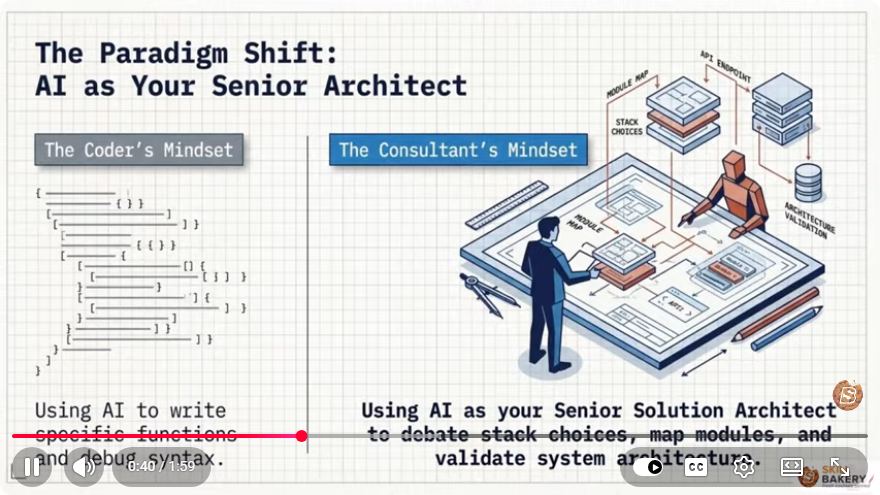
Designing Scalable Systems & Solution Architecture with AI
In the ever-evolving landscape of software development, building scalable systems is a pivotal skill for engineers and architects. The recent lecture titled "Designing Scalable Systems & Solution Architecture with AI" delves into the complexities of software architecture and how Generative AI can be harnessed to make this process more efficient and effective. In this blog post, we'll explore the key elements of designing scalable systems, the role of architecture, performance planning, and the innovative use of AI in the process.
Understanding Scalability in Software Development
Scalability refers to a system's ability to handle increased load without compromising performance. A scalable system can grow and evolve to manage more users, more data, or more transactions. This capability is crucial for applications that expect growth or varying workloads.
Key Characteristics of Scalable Systems
- Elasticity: The ability to dynamically allocate resources based on current demand.
- Load Balancing: Distributing workloads evenly across servers to prevent any single point from becoming a bottleneck.
- Fault Tolerance: The system's ability to continue functioning even in the event of a component failure.
- Maintainability: Ease of making changes or updates to the system without significant downtime.
The Role of Architecture in Scalability
Architecture serves as the blueprint for any software system. It defines the components, their interactions, and the overall structure. A well-thought-out architecture is essential for scalability and involves several critical considerations:
1. Microservices Architecture
Microservices break down applications into smaller, independent services that can be developed, deployed, and scaled individually. This approach provides flexibility and allows teams to work on different components simultaneously.
Microservices vs. Monolithic Architecture
+---------------------+---------------------+
| Microservices       | Monolithic          |
+---------------------+---------------------+
| Independent Scaling  | Single Point of Scaling |
| Technology Agnostic   | Tightly Coupled        |
| Easy to Maintain      | Hard to Maintain       |
+---------------------+---------------------+
2. Data Management
Handling data efficiently is critical. Implementing strategies like sharding (dividing databases across multiple servers) and using cache systems can significantly improve performance and scalability.
3. Asynchronous Processing
Incorporating asynchronous processing allows systems to handle tasks in the background, freeing up resources for immediate user requests. This is particularly useful for operations such as sending emails or processing transactions.
Performance Planning: A Proactive Approach
Performance planning involves anticipating the future demands of your system and preparing for them in advance. This includes:
- Capacity Planning: Estimating the resources required based on projected growth.
- Benchmarking: Testing system performance under various loads to identify bottlenecks.
- Monitoring: Continuously tracking performance metrics to detect issues before they escalate.
Leveraging Generative AI in System Design
Generative AI is revolutionizing the way software architects and engineers approach scalable system design. Here are some ways it can assist in this process:
1. Automated Code Generation
Generative AI can produce boilerplate code, allowing developers to focus on more complex tasks. This can speed up the development process and ensure consistency across the codebase.
2. Design Assistance
AI can analyze existing system architectures and suggest improvements based on best practices. This can include identifying areas for optimization or recommending new technologies.
3. Predictive Analysis
AI tools can analyze historical data to predict future performance and scalability needs. This allows architects to make informed decisions about resource allocation and system design.
Conclusion
Designing scalable systems is a multifaceted challenge that requires careful planning and a deep understanding of architecture and performance. By leveraging the capabilities of Generative AI, software architects and engineers can enhance their ability to create resilient, maintainable, and future-proof systems. As technology continues to advance, integrating AI into the design process will become not only beneficial but essential for success in software development.
Further Reading
- Microservices Architecture: A Beginner’s Guide
- Understanding Load Balancing Techniques
- The Future of AI in Software Development
By staying informed and adopting innovative approaches, you can ensure your systems are ready to scale efficiently and effectively.
Connect with SkillBakery Studios
Explore more tutorials, tools, and resources:
Posted by SkillBakery Studios


 Hello, my name is Jack Sparrow. I'm a 50 year old self-employed Pirate from the Caribbean.
No comments:
Post a Comment