
Lecture-14: Architecting Context & Memory in Conversational AI Systems | Build Smarter AI Assistants
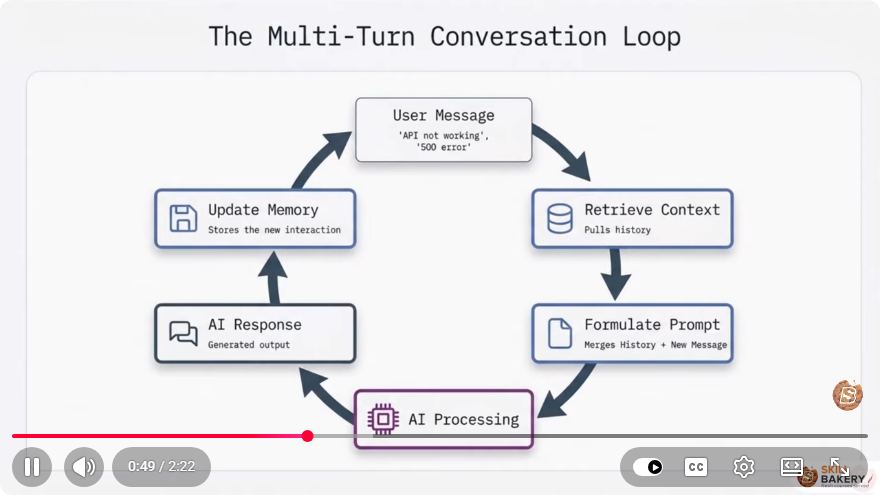
Architecting Context & Memory in Conversational AI Systems: A Comprehensive Guide
In the world of artificial intelligence, particularly in building intelligent AI assistants, one of the most significant challenges is enabling these systems to remember context and maintain meaningful conversations over time. In this post, we will explore the strategies and architectural considerations necessary to create context-aware and memory-enabled conversational AI systems. By the end of this tutorial, you will have a clearer understanding of how to build personalized, coherent, and intelligent interactions for your AI assistants.
Understanding Context in Conversational AI
What is Context?
Context refers to the information that surrounds a conversation, including previous interactions, user preferences, and environmental factors. Understanding context is crucial for AI assistants because it allows them to respond appropriately to user inputs, ensuring that interactions are relevant and meaningful.
Types of Context
- User Context: Information about the user, such as their preferences, location, and past interactions.
- Session Context: Data that is relevant to the current session, including the ongoing conversation and the specific intents or entities involved.
- Global Context: Background information that may influence multiple sessions or interactions, such as cultural norms or general knowledge.
The Importance of Memory in Conversational AI
Why Memory Matters
Memory enables conversational AI systems to retain information across different interactions. This capability allows for personalized experiences where the AI can recall user preferences, previous discussions, and other relevant data, creating a more engaging and efficient interaction.
Types of Memory
- Short-Term Memory: Temporary storage that retains information for the duration of a session. It helps the AI keep track of the ongoing dialogue.
- Long-Term Memory: Persistent storage that holds information across multiple sessions. This can include user profiles, historical interactions, and learned preferences.
Architecting a Context-Aware and Memory-Enabled AI System
System Architecture Overview
To build a context-aware and memory-enabled conversational AI system, consider the following architectural components:
Natural Language Processing (NLP) Module: This module is responsible for understanding and generating human language. It processes user input, identifies intents, and extracts entities.
Context Management Layer: This layer manages the context and memory of the conversation. It should be designed to handle both short-term and long-term memory, allowing for efficient retrieval and storage of contextual information.
Dialogue Management System: This component orchestrates the flow of conversation, ensuring that the AI responds appropriately based on the current context. It should leverage context data to maintain coherence in dialogue.
User Profile Repository: A database that stores user-specific information, preferences, and past interactions. This repository should be secure and comply with data privacy regulations.
Feedback Loop: A mechanism to gather user feedback on interactions, allowing the system to learn and improve over time.
Example Implementation
Here’s a simplified code snippet illustrating how you might implement a context management system in Python:
class ContextManager:
    def __init__(self):
        self.short_term_memory = {}
        self.long_term_memory = {}

    def update_short_term_memory(self, session_id, context_data):
        self.short_term_memory[session_id] = context_data

    def retrieve_short_term_memory(self, session_id):
        return self.short_term_memory.get(session_id, {})

    def update_long_term_memory(self, user_id, user_data):
        self.long_term_memory[user_id] = user_data

    def retrieve_long_term_memory(self, user_id):
        return self.long_term_memory.get(user_id, {})
Integrating Context and Memory into Dialogue Management
Incorporating context and memory into your dialogue management is essential for creating a responsive AI. Here’s a basic approach:
class DialogueManager:
    def __init__(self, context_manager):
        self.context_manager = context_manager

    def handle_user_input(self, user_id, session_id, user_input):
        # Retrieve context
        context = self.context_manager.retrieve_short_term_memory(session_id)
        user_profile = self.context_manager.retrieve_long_term_memory(user_id)

        # Process input and generate response
        response = self.generate_response(user_input, context, user_profile)

        # Update context
        self.context_manager.update_short_term_memory(session_id, context)

        return response

    def generate_response(self, user_input, context, user_profile):
        # Implement NLP logic to generate a response based on input and context
        return "This is a generated response."
Conclusion
Building context-aware and memory-enabled conversational AI systems is critical for creating engaging and intelligent interactions. By understanding the types of context and memory, and implementing a robust architecture, developers can enhance the capabilities of their AI assistants, making them more responsive and personalized.
As you embark on your journey to build smarter AI assistants, remember to focus on the balance between context management, memory retention, and user experience. With these principles in mind, you’ll be well on your way to creating conversational AI systems that not only understand but also remember and respond to users in a meaningful way.
For further insights and advancements in this field, stay tuned to our upcoming lectures and resources!
Connect with SkillBakery Studios
Explore more tutorials, tools, and resources:
Posted by SkillBakery Studios


 Hello, my name is Jack Sparrow. I'm a 50 year old self-employed Pirate from the Caribbean.
No comments:
Post a Comment